Five Months of Composting: An Organic Recycling Update
By Madi Sundlof, Kraus-Anderson sustainability intern
In August 2015, Kraus-Anderson launched an organics recycling program in its Minneapolis and Circle Pines offices to support environmental awareness and reduce waste-related costs.
During the program’s first five months, each location collected 2.71 tons, or 5,420 pounds, of organic material that otherwise would have been sent to the landfill. Combined, the offices diverted roughly the weight of two pickup trucks from the waste stream.
Diverting food scraps and other accepted organic materials from landfills supports composting and can reduce landfill methane emissions. The U.S. Environmental Protection Agency provides additional information about composting and its environmental benefits.
The collected organics were sent to a Rosemount organics recycling location, where the material was processed into compost for gardeners, farmers and commercial users.
Organics collection also offered financial benefits. At the time, organics disposal cost $0.078 per pound, compared with $0.242 per pound for trash, more than three times the cost. The lower cost was supported by reduced county taxes and the absence of a state waste fee.
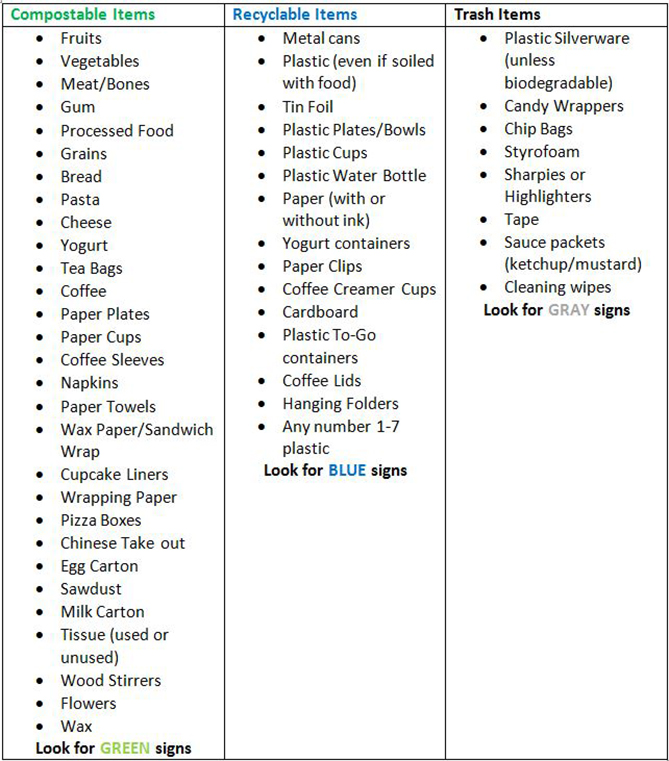
How Does an Organics Recycling Program Support Sustainability?
The organics recycling program supported waste diversion and showed clients that Kraus-Anderson was committed to sustainability initiatives. Its success depended on continued employee participation, and employees adapted quickly to the new recycling options.
“The transition to adding composting to our building has gone smoothly, and we have seen an increase in use to the point where we needed to change our collection to weekly,” said Dave Kummer, director of Yard operations. “I have seen participation in the office, and it has appeared to be self-explanatory with little confusion.”
“I have seen people making efforts to compost in the office,” agreed Angela Lakedon of accounting. “I think their knowledge and understanding is progressing.”
The program reflects a broader focus on sustainability, workplace participation and measuring environmental performance. Learn more about the Green Team’s environmental-footprint measurement efforts and green ideas in practice at the Minneapolis office.
What Can Employees Do to Improve Organics Recycling?
Employees should refer to the signs above compost bins and think before tossing an item. If there are questions about how to dispose of an item, members of the Green Team can help identify the appropriate option.
Thanks for helping keep Kraus-Anderson green.
In this article, Kraus-Anderson shared results from its Minneapolis and Circle Pines office organics recycling program, including organic-waste collection, landfill diversion, composting, cost savings and employee participation. Learn more about sustainability services, office sustainability initiatives and the Green Team.
CATEGORY: Innovation